White Paper / June 2026
Unlocking the Future of Flight
Infrastructure is the key to aviation's decarbonisation, but a revolution is needed.
Introduction
Decarbonising the aviation industry is one of the most high-profile priorities in the global effort to reduce emissions and secure a more sustainable future.
For years now flying has been a pariah in the climate conversation: a signal of moral intent, and an increasingly problematic mode of transportation for the planet-responsible consumer – despite the allure of far-flung travel and business excellence remaining inextricably tied to it. Making air travel more sustainable, therefore, is a question of how and when – not if.
The how is becoming increasingly clear: sustainable aviation fuel (SAF). There is wide consensus amongst airlines, industry experts and scientists that to reduce the carbon footprint of flying – some 3.5% of global warming contributions and 2.5% of global CO2 emissions – it’s SAF that will be doing a lot of the heavy lifting.
The challenge is only getting more urgent as airline traffic is set to continue growing in a highly connected world. And the regulators and policymakers agree: in the EU the ReFuelEU Aviation mandate, which entered force in January 2025 has made adopting SAF an obligation bound by law. Other jurisdictions are following suit. At Metafuels, we welcome this. We want people to be able to fly more, not less. In our aerobrew sustainable jet fuel product, we have the blueprint for the most achievable solution…
Explored topics
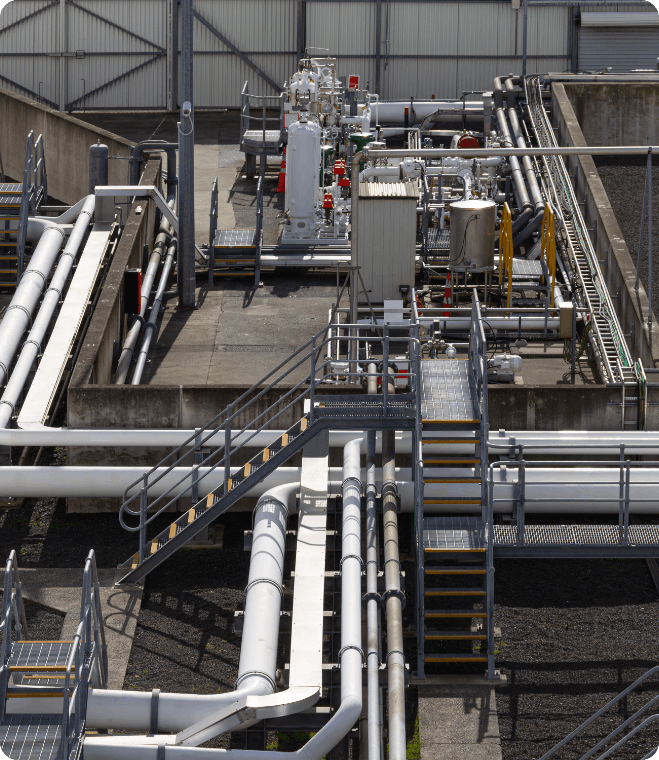
The Infrastructure Imperative
The momentum for SAF is real. Production doubled between 2024 and 2025, reaching 1.9 million tonnes – over half compared to the roughly 3 million tonnes of fuel mix per year that comprises the 6% 2030 ReFuelEU target (for the EU specifically). New technology pathways are emerging.
Read the full document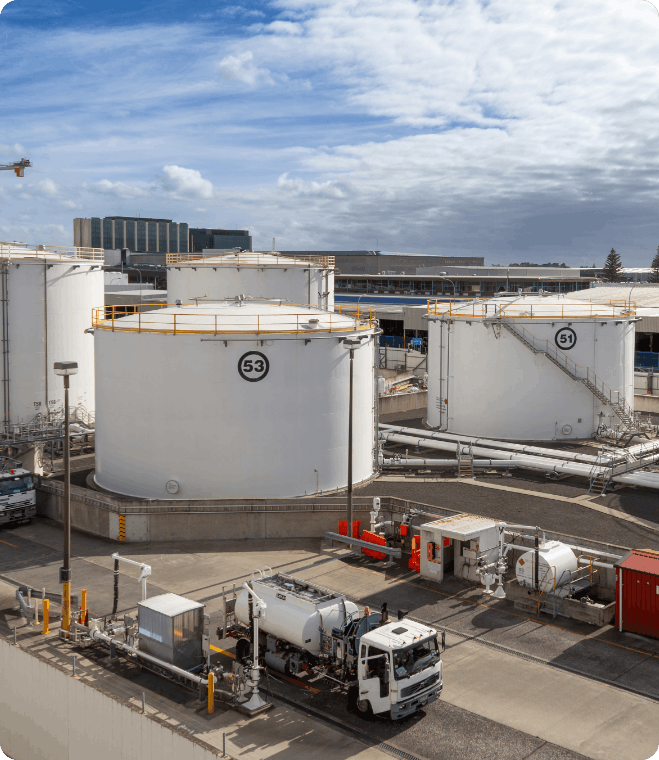
A Market Built Behind Closed Doors
Helpfully, this isn’t a detail lost in the ReFuelEU Aviation mandate; Article 6 requires EU airports to facilitate access to the infrastructure necessary to deliver, store and refuel aircraft with SAF. A stern and clear imperative for legacy structures and relationships to part their gates just a little, given this access to infrastructure is foundational for SAF to get a foothold on the road to meaningful, and mandated – scale.
Read the full document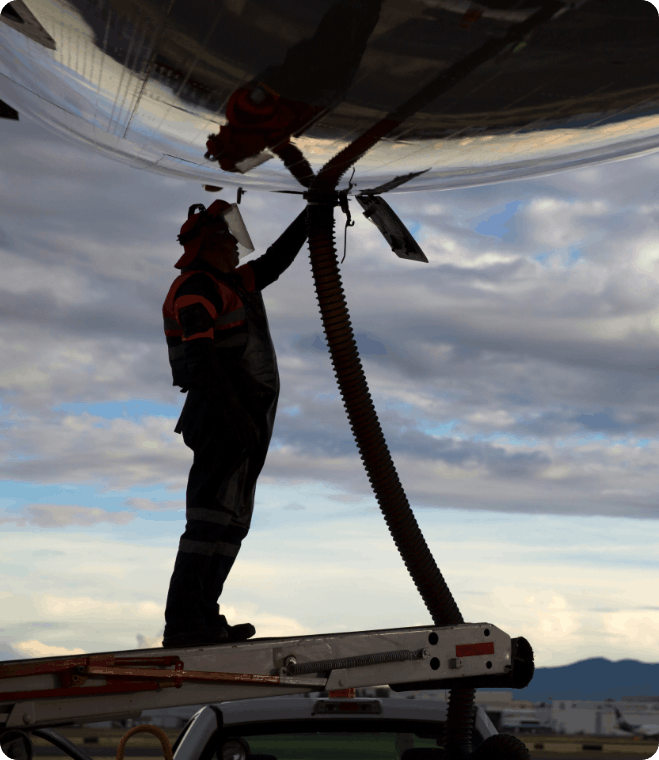
The Cost of Exclusion
The scale of those costs is chilling. Airlines paid $2.9 billion more than conventional fuel for the 1.9 million tonnes of SAF produced in 2025.
Read the full document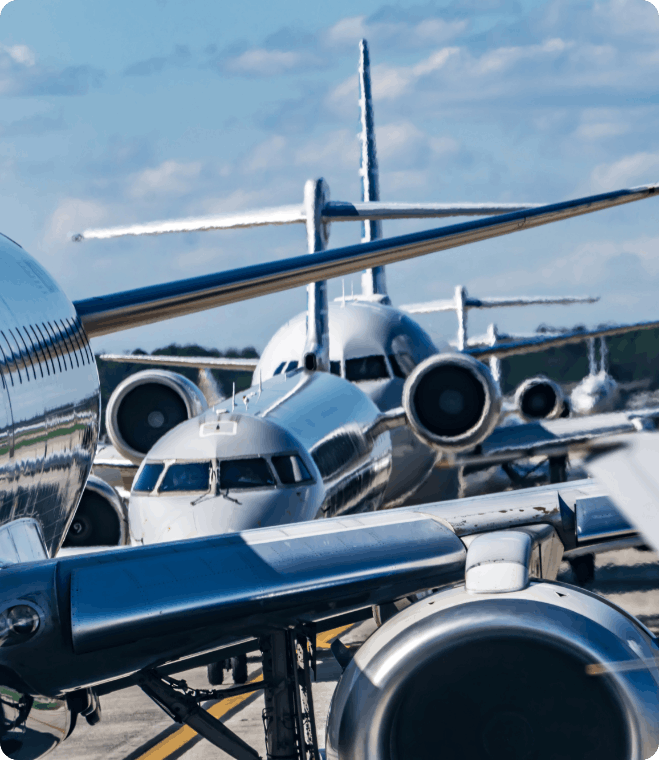
Who Bears the Burden?
For larger producers, these costs could potentially be absorbed or offset. But, with few exceptions, these are not the organisations pioneering next generation SAF: it is the smaller operators, first-of-a-kind technology companies operating on short runways built by venture capital, who are pioneering the groundwork for future large-scale SAF rollout.
Read the full document
SBC Key Players and the Case for Levelling Up
Most SBC technology used in the aviation industry today is based on used cooking oil (UCO). This is proven as a technology but severely limited by the availability and logistics of its feedstock, which is also subject to regulatory caps on its use as a fuel – ironically, to stimulate investment in alternatives.
Read the full document
Open Access: it Exists, and Can Work
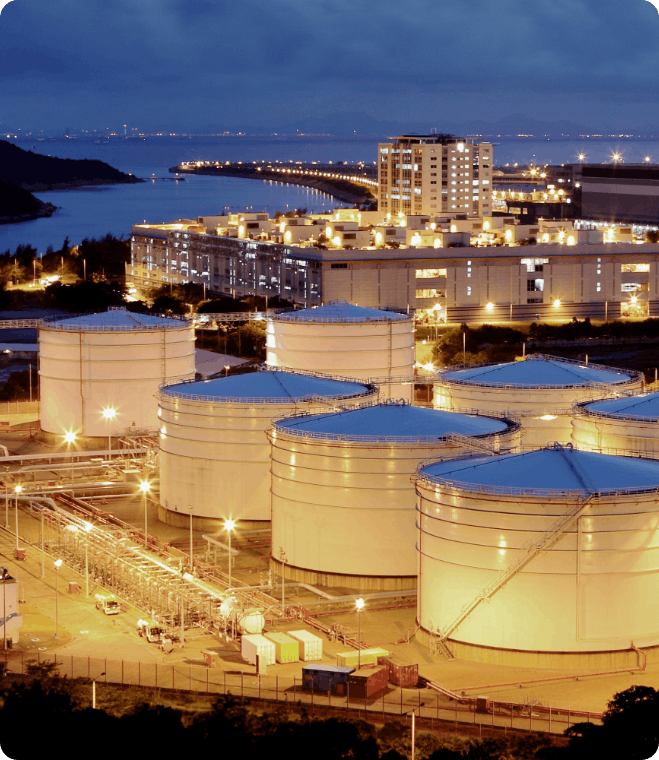
Open access airports present a compelling glimpse of a more equitable way to handle fuel infrastructure.
Read the full document
Conclusion: The Pathway to Infrastructure Reform
What is clear from this is that the established suppliers who control infrastructure of airports – 59% of those cited in the IATA report – are not neutral bystanders in the SAF transition; they are its biggest threat.
Read the full document