White Paper / December 2025
Clearing the runway for SAF
Why stronger mandates will ignite the market for Sustainable Aviation Fuel
Introduction
Aviation accounts for approximately 2.5% of global CO2 emissions – yet 47% of all aviation emissions between 1940 and 2019 occurred since 2000.
This is a powerful reminder that aviation’s impact isn’t just significant; in a world increasingly attentive to humanity’s impact on the climate, it’s accelerating.
Why? People like to travel, and want to travel more. At Metafuels, we believe people should be free to do just that. Our job is to enable air travel in an environmentally neutral way and at a price people can afford to pay. Sustainable aviation fuel (SAF) represents the most viable pathway to decarbonise this hard-to-abate industry in a way that is cost-effective. We are on the cusp of change—always the point when the stakes are highest.

To achieve emissions reduction targets by the middle of the 21st century there is an urgent need to bring new and innovative SAF technologies to market that completely decouple airline industry growth from its emissions footprint and drive down emissions towards Net Zero.
SAF production in 2024 reached 1 million tonnes. 2025 is set to double this, at an estimated 2.1 million tonnes—but this still accounts for just 0.7% of airlines’ total fuel requirements. This industry, much like the electric car sector a decade ago, needs to negotiate the headwinds of gaining the scale that will make it economical—and establishing the market confidence that will get
it there.

Explored topics

The market challenge for SAF
Unlike other proposed models for low-carbon flying, the central challenge in driving SAF to scale is not technological feasibility, but economic viability. Ironically, the latter is easier to change than the former, but harder to control.
Read full document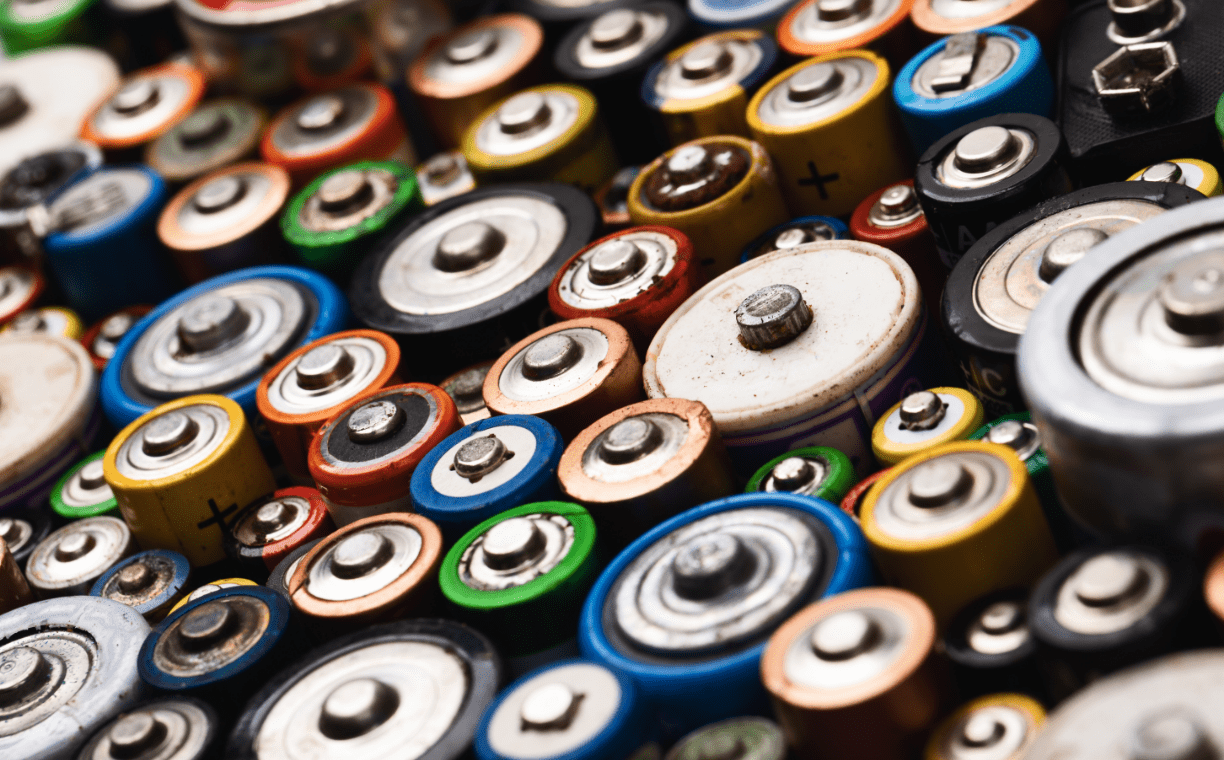
Mandates as a catalyst:
The battery recycling industry
Prior to 2006, battery recycling in Europe was economically unviable, with collection rates around 5% and limited commercial infrastructure. Today, the European battery recycling market is projected to reach €7 billion by 2030. This transformation was catalysed not by market forces alone—but by regulatory mandates with clear timelines and stringent enforcement mechanisms.
Read full document
Lessons for SAF development and rollout
The ReFuelEU Aviation mandate broadly follows the proven blueprint demonstrated by the EU battery recycling industry. It establishes escalating SAF blending requirements: 2% by 2025, 6% by 2030, 20% by 2035, and 70% by 2050, with a specific sub-mandate for eSAF reaching 35% by 2050, with non-compliance penalties robust enough to cause operators to think more than twice.
Read full document
‘Mandates Plus’ –
or risk greenwashing
The carrots-with-sticks, or ‘Mandates Plus’ approach, could take many forms. The carrots: capital grants and loan guarantees, to reduce project financing costs for early commercial facilities. Then, production tax credits or contracts for difference (CfD) mechanisms can bridge the cost gap for ongoing markets, or during market establishment.
Read full document
Tackling the early
mover paradox
As those who bought the first digital cameras or electric vehicles can attest, early technology adoption is often expensive and the benefits not immediately obvious. But without this customer faith, potentially world-changing innovation will never flourish as the market remains intangible. At least with strong mandates, early adopters to SAF can understand their place in the landscape of the future with certainty.
Read full document
Regulatory inconsistency
and its risk
The success of European battery recycling provides clear validation of this regulation-above-all approach.
Read full document